Stephen M.R. Covey, NY Times and WSJ Best-Selling Author
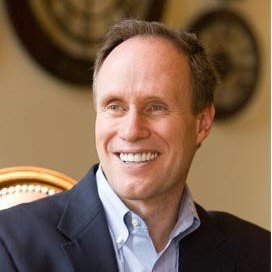
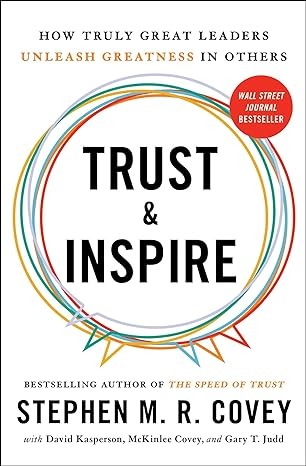
Today, my guest is Stephen M. R. Covey, a New York Times and #1 Wall Street Journal bestselling author of The Speed of Trust and Trust & Inspire.
He is the former CEO of Covey Leadership Center, which, under his stewardship, became the largest leadership development company in the world.
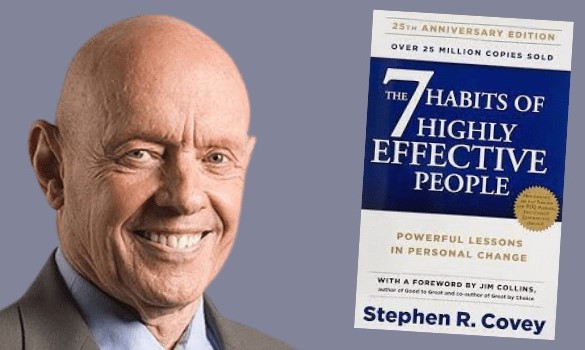
Stephen personally led the strategy that propelled his father’s book, Dr. Stephen R. Covey’s The 7 Habits of Highly Effective People, to become one of the two most influential business books of the 20th Century, according to CEO Magazine.
Stephen co-founded CoveyLink, a consulting practice, which focuses on enabling leaders and organizations to increase and leverage trust to achieve superior performance. Stephen recently merged CoveyLink with FranklinCovey, forming the Global Speed of Trust Practice, where Stephen serves as global practice leader.
In this candid conversation, Stephen shared the real stories behind growing up with a legendary leadership expert, stepping out of his father’s shadow, and finding his own voice on the critical importance of trust.
1. Guinea Pigs for the Seven Habits. Stephen revealed what it was like growing up with his father, Stephen R. Covey. He explained that before The 7 Habits of Highly Effective People was ever published, his father tested the concepts on his children, using them as his “guinea pigs”. The family practiced principles like being proactive and “beginning with the end in mind” in their daily lives, and Stephen noted that his father beautifully modeled these teachings right in their home.
2. A Steward, Not a Guru. Discussing his father’s massive success, Stephen noted that his dad remained completely humbled and never let the global fame go to his head. Rather than seeing himself as a “guru” who invented the seven habits, he viewed himself simply as a “steward” who was trying to make universal, timeless principles accessible to others. Most importantly, his father faithfully practiced what he preached, proving to be an even better husband and father in private than he was a brilliant speaker in public.
3. The Intimidation of the Family Business. Despite joining the family company just before the famous book was published, Stephen admitted he was deeply intimidated by the idea of following in his dad’s footsteps as a writer and thought leader. Fearful that he would never measure up and would just be a “poor man’s version” of his legendary father, he initially took the safe route by focusing purely on the corporate side. He successfully spent years running and scaling the company as its CEO, resigning himself to just being the “business guy”.
4. Finding His Own Voice on Trust. Stephen’s career completely shifted after navigating a major corporate merger with Franklin Quest, where he witnessed firsthand how a lack of trust acts as a hidden “tax” that slows everything down and destroys organizational value. Inspired to solve this massive issue, he finally found his own voice, which caused his fear of comparing himself to his father to completely dissipate. He went on to write The Speed of Trust, firmly establishing his own legacy and dedicating his career to teaching that trust is a learnable skill and the ultimate “performance multiplier” for any organization.
