
John Coyle, Keynote Speaker and Olympic Medalist

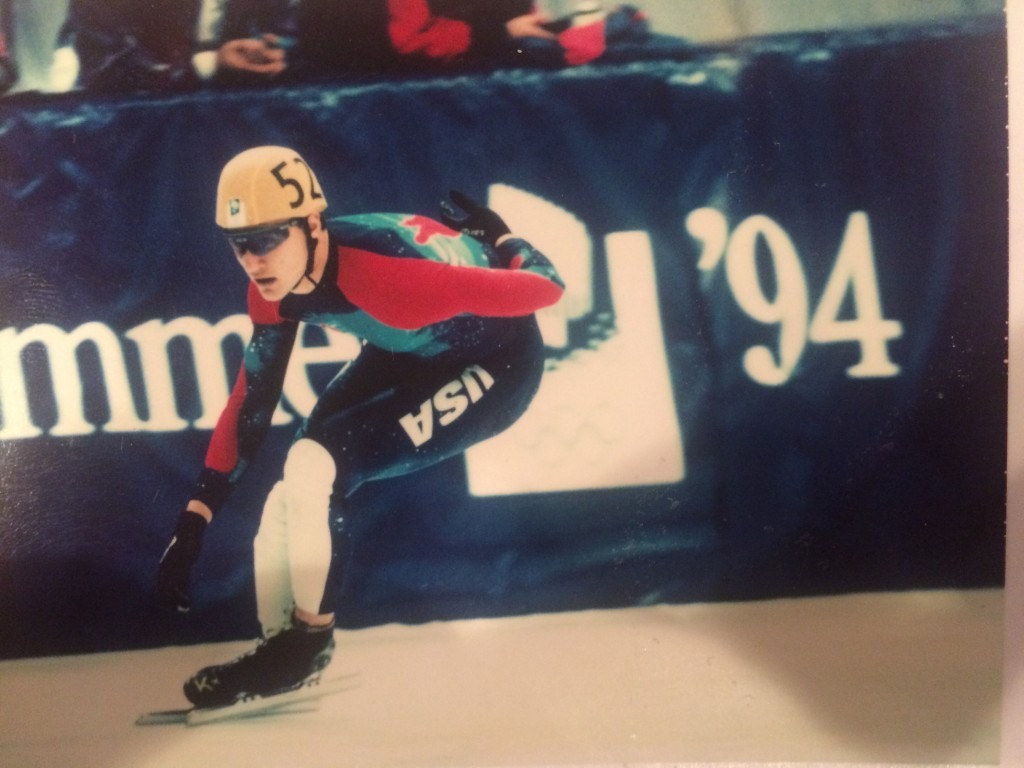
Today, my guest is John Coyle, a 5 time TEDx speaker, an Olympic medalist, a seasoned Executive, an Emmy Winning NBC Sports Producer and Analyst, a Professor at 3 universities and an award-winning author of two books The Time Manifesto and Design For Strengths.

John is also a world-leading expert in the fields of Innovation, Design Thinking, Strengths, Resiliency, and “Chronoception” – the neuroscience and psychology of time-perception.
John has been the lead keynote speaker in more than 20 countries for clients such as Arab Bank, Allstate, American Airlines, Aon, BP, Cisco, Coca-Cola, Deloitte, EO, Google, IDEO, JFK International Terminal, Kellogg, McDonalds, Optum, Pepsi, PwC, Stanford, Texas Health, YPO and the Dubai, Omani and Jordanian Royal Families.
John holds a Product Design degree from Stanford University and an MBA from Northwestern’s Kellogg Business School.
In this candid conversation, John shared the real stories behind his obsession with time perception, the neuroscience of memory, and his unique application of design thinking to achieve breakthrough athletic success.
1. The Two Types of Time. John revealed that his fascination with time began as an Olympic speed skater, where tiny increments of time like hundredths of a second heavily dictated his life trajectory. He noticed that in normal life, major trajectory changes—like asking someone out or avoiding an accident—also happen in highly compressed moments. He notes that the Greeks perfectly understood this concept by using two distinct words for time: Chronos (methodological clock time) and Kairos (human time), which specifically represents those pivotal moments when “the archer releases the arrow” and everything instantly changes.
2. The Amygdala’s Frame Rate. To solve the universal problem of years feeling shorter as we age, John explained that our long-term perception of time strictly relies on how intensely memory is written, stored, and recalled. When our brain experiences highly unique or intense emotions, the amygdala “wakes up” and drastically increases our memory storage frame rate from 2 to 3 times per second to upwards of 40 to 60 times. This neurological spike in data collection is exactly why terrifying events like a car crash or thrilling moments like a first kiss vividly feel as though time is slowing down.
3. Designing Suffering into Vacations. Because the brain is incredibly lazy and completely stops writing memories during comfortable daily routines, John strongly advises actively designing “Kairos” moments by occasionally injecting risk, fear, and even minor suffering into your life. He shared a memorable story of a luxurious Caribbean vacation with his daughter where he deliberately led them on a seemingly short beach walk that turned into a painful, four-hour nighttime trek across sharp coral. Stumbling into town hot, exhausted, and bleeding made the subsequent dinner the best of their lives, proving that intense preceding stories make moments highly memorable.
4. Doubling Down on Strengths. Shifting to his expertise in design thinking, John recounted how he used the methodology to completely reboot his failing athletic career. After struggling under a traditional Olympic training program that unsuccessfully tried to fix his many weaknesses, he quit the national team to design a new approach that entirely doubled down on his specific strength: anaerobic power. By deliberately coasting on the straightaways and maximizing his explosive power in the tight corners, he returned just a year later to completely shatter the world speed skating record.
