
Jonah Berger, Wharton Prof and Author of “Magic Words”
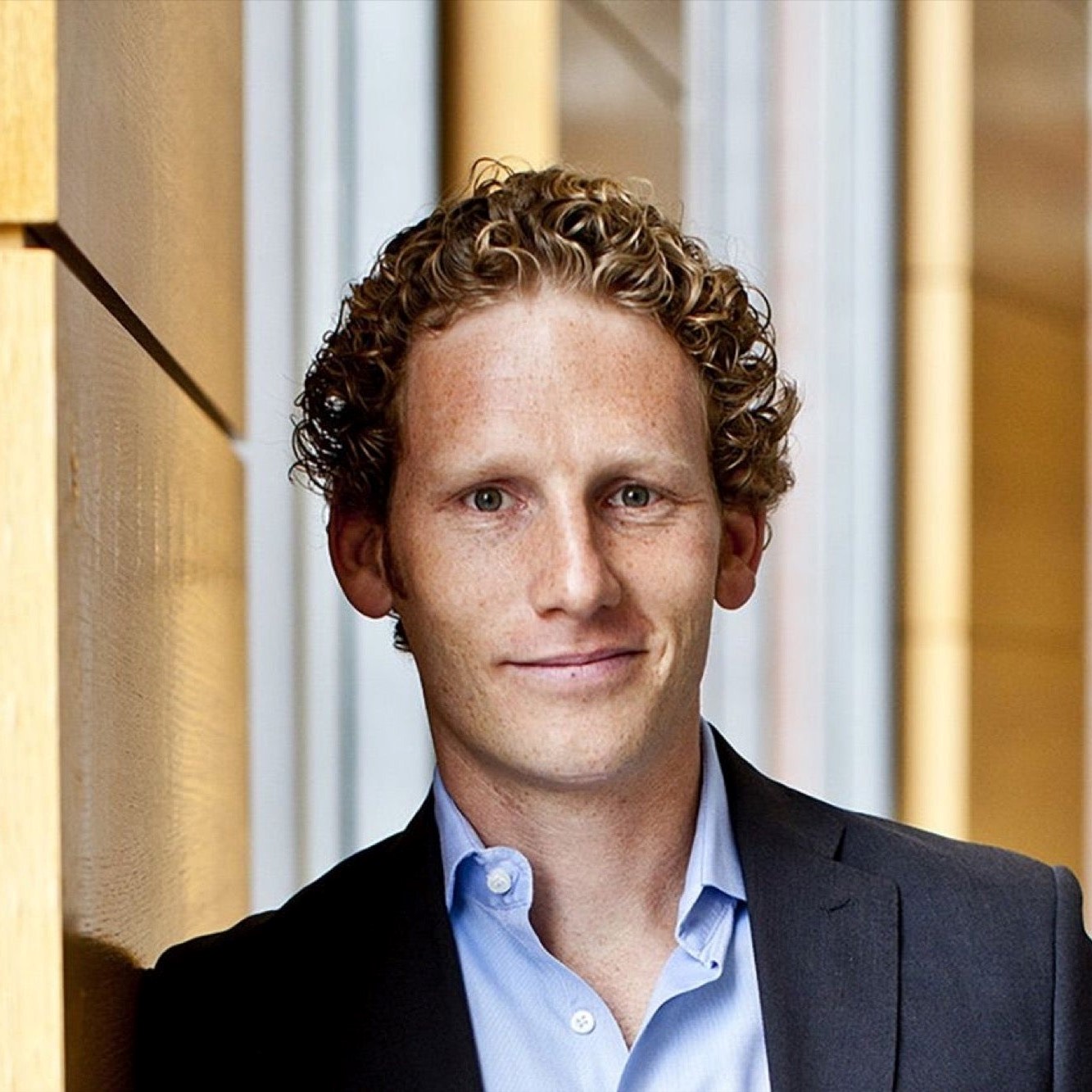
Today, my guest is Jonah Berger, a Professor at Wharton Business School and internationally bestselling author of Magic Words, Contagious, Invisible Influence, and The Catalyst. Jonah is a world-renowned expert on natural language processing, change, word of mouth, influence, consumer behavior, and why things catch on.
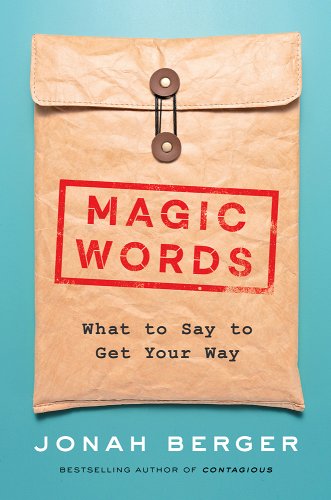
He has published over 80 articles in top‐tier academic journals, teaches one of the world’s most popular online courses, and popular outlets like The New York Times and Harvard Business Review often cover his work. Jonah has keynoted hundreds of major conferences and events like SXSW and Cannes Lions, advises various early-stage companies, and consults for organizations like Apple, Google, Nike, Amazon, GE, Moderna, and The Gates Foundation. Jonah has been featured in NPR’s Marketplace, Wall Street Journal, CNBC, USA Today, Fast Company Profile, Harvard Business Review, and The New York Times. Jonah holds a BA and a PhD from Stanford University.
In this candid conversation, Jonah shared the real stories behind his data-driven approach to language, the hidden power of subtle word shifts, and how turning actions into identities can drastically change human behavior.
1. The Science of Popularity. Jonah revealed that his fascination with why things catch on began after attending a math and science magnet high school, which inspired him to apply rigorous data analysis to the social sciences. By utilizing natural language processing to analyze vast amounts of digitized data—from customer service calls to New York Times articles—he uncovered six specific types of impactful language that form the acronym S.P.E.A.K. (Similarity, Posing questions, Emotion, Agency/identity, Confidence, and Concreteness).
2. Actions vs. Identities. One of his most profound findings is that turning an action (a verb) into an identity (a noun) drastically increases persuasion. For example, asking children to “be a helper” rather than just asking them to “help” increased compliance by 30%, and asking adults to “be a voter” instead of just telling them to “vote” increased turnout by 15%. Because people inherently want to hold desirable identities, framing an action as an opportunity to claim a positive trait—or conversely, warning them not to “be a cheater” to avoid claiming a negative one—is incredibly effective.
3. Unlocking Creativity with One Word. When trying to solve difficult problems, Jonah noted that people naturally default to asking what they should do, which unintentionally restricts their thinking to only a narrow set of “correct” options. However, simply shifting the language to ask what they could do removes those mental constraints and reliably leads to far more creative and effective problem-solving.
4. The Advice Paradox. Jonah also debunked the common workplace intuition that asking colleagues or bosses for advice will make a person look weak or incompetent. In reality, research shows that asking for advice actually makes you look smarter. Because people generally think highly of their own opinions and consider their own advice to be excellent, they naturally assume that anyone smart enough to ask for their input must be highly competent as well.
