Gretchen Rubin, Founder of “The Happiness Project”

Today, my guest is Gretchen Rubin, the Founder of The Happiness Project and one of today’s most influential and thought-provoking observers of happiness and human nature. She’s a highly acclaimed writer, known for her ability to distill and convey complex ideas—from science to literature to stories from her own life—with levity and clarity.
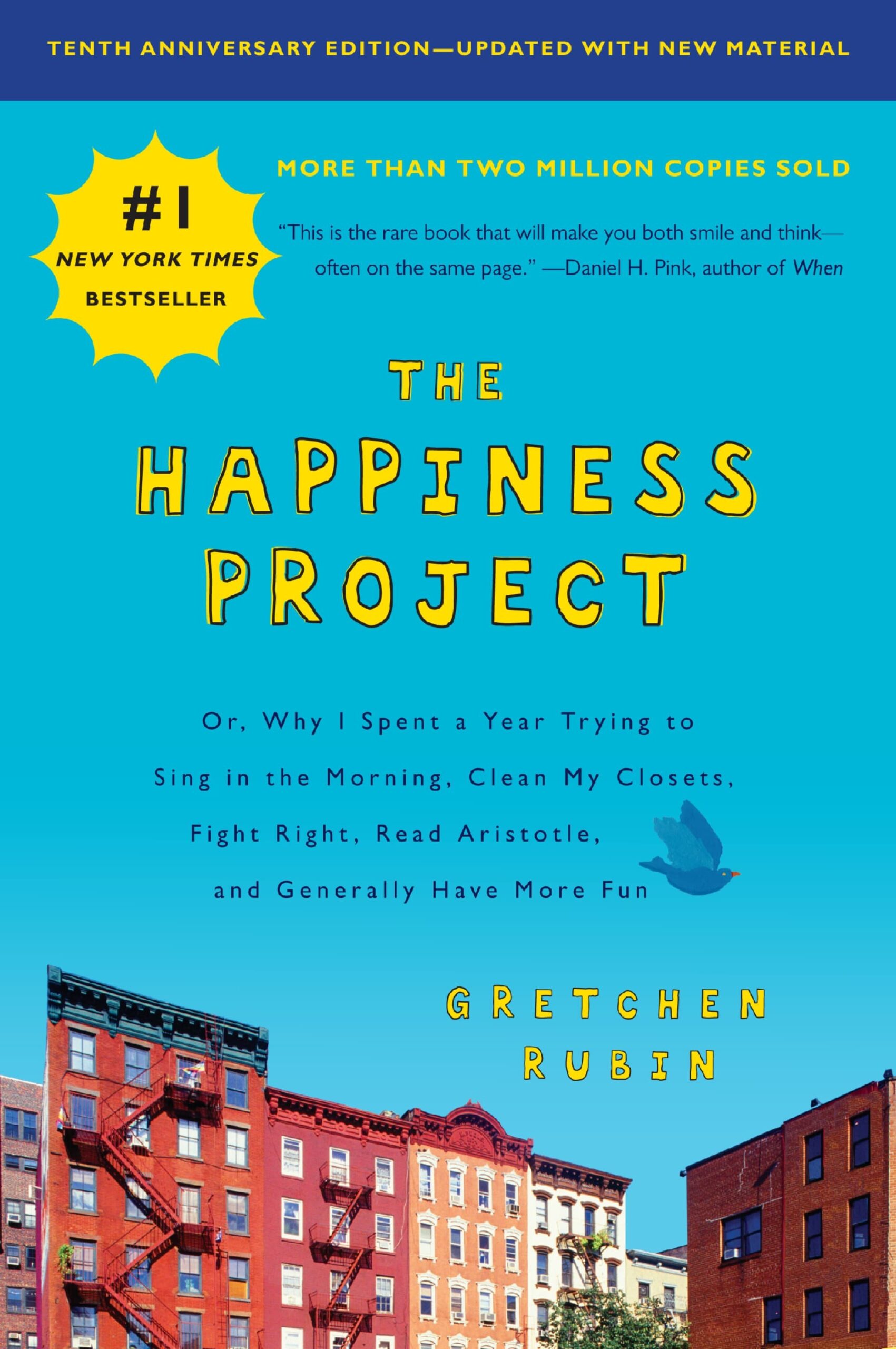
With millions of copies of her New York Times bestselling books sold, more than 220 million downloads of her Happier with Gretchen Rubin podcast, an enthusiastic following on her newsletters and social media, helpful and beautifully designed products, and the award-winning Happier app, she engages her audience wherever they want to be. Gretchen has helped create an ecosystem of imaginative products and tools to help people become happier, healthier, more productive, and more creative. “There’s no one-size-fits-all solution,” she explains, “so there’s no ‘right’ way or ‘best’ way. We have to choose the way that work for us.” Gretchen has been interviewed by Oprah, eaten dinner with Nobel Prize-winner Daniel Kahneman, walked arm-in-arm with the Dalai Lama, had her work reported on in a medical journal, been written up in the New Yorker, and been an answer on Jeopardy! After obtaining her law degree from Yale Law School, she realized she wanted to be a writer while she was clerking for Supreme Court Justice Sandra Day O’Connor.
In this candid conversation, Gretchen shared the real stories behind her shift from law to studying human nature, her sudden creative epiphanies, and the practical frameworks she uses to understand happiness and habit change.
1. A Supreme Epiphany on Power and Money. Gretchen revealed that her writing career began with a sudden epiphany while clerking for Supreme Court Justice Sandra Day O’Connor. While out for a walk and looking up at the Capitol Dome, she asked herself what topics are universally interesting to everyone, immediately thinking of power, money, fame, and sex. Her intense note-taking and research on these subjects eventually led to her decision to become a writer and resulted in her very first book, which was an ironic “user’s guide” to those exact themes.
2. The Bus Ride to Happiness. The inspiration for her massive lifestyle brand originated while she was stuck on a city bus in New York, finishing up a biography on John F. Kennedy. Realizing she deeply wanted to be happy but had no idea if she actually was or how to achieve it, she decided to start a personal “Happiness Project”. Despite people warning her that the title sounded too much like tedious homework, she fully embraced the concept, ultimately deciding that happiness shouldn’t have a strict academic definition, but rather should be personalized to whatever brings an individual peace, contentment, or serenity.
3. A Visionary Wake-Up Call. While discussing her book Life in Five Senses, Gretchen shared a frightening medical scare that completely changed her perspective. Warned by her eye doctor that her extreme nearsightedness put her at high risk for a detached retina and potential vision loss, she walked out into the streets of New York City in shock and realized she had been living her life in a mental fog. Suddenly paying intense attention to every sight, sound, and smell of the city around her, she discovered that actively engaging the five senses is a powerful, joyful tool that anyone can use to immediately reduce anxiety, boost energy, or foster creativity.
4. Demanding Creativity and The Four Tendencies. Gretchen approaches her work with intense discipline, waking up at 5:00 a.m. to read and write for four uninterrupted hours to capitalize on her natural energy as a morning person. She doesn’t believe in hoarding her ideas for later, trusting instead that the more she demands of her own creativity, the more ideas she will naturally generate. This open, inquisitive mindset has led to incredible breakthroughs, including the moment the word “expectation” suddenly leaped out at her like a superhero movie graphic, unlocking her famous “Four Tendencies” framework that categorizes how different people successfully build and change their habits.
