
Bill Grundfest, Golden Globe Award / Emmy Nominee

Today, my (repeat) guest is Bill Grundfest, a Golden Globe Award winning writer-producer and Emmy Award nominee.

Among his many accomplishments, he was the co-producer (along with Paul Reiser), script writer, and supervising producer of the hit show Mad About You (which was adapted for China by SONY Pictures TV), which went on to win a Golden Globe Award, a Peabody Award, receive five Emmy Award nominations for Outstanding Comedy Series, and be chosen Best Quality Comedy by the Viewers for Quality Television.
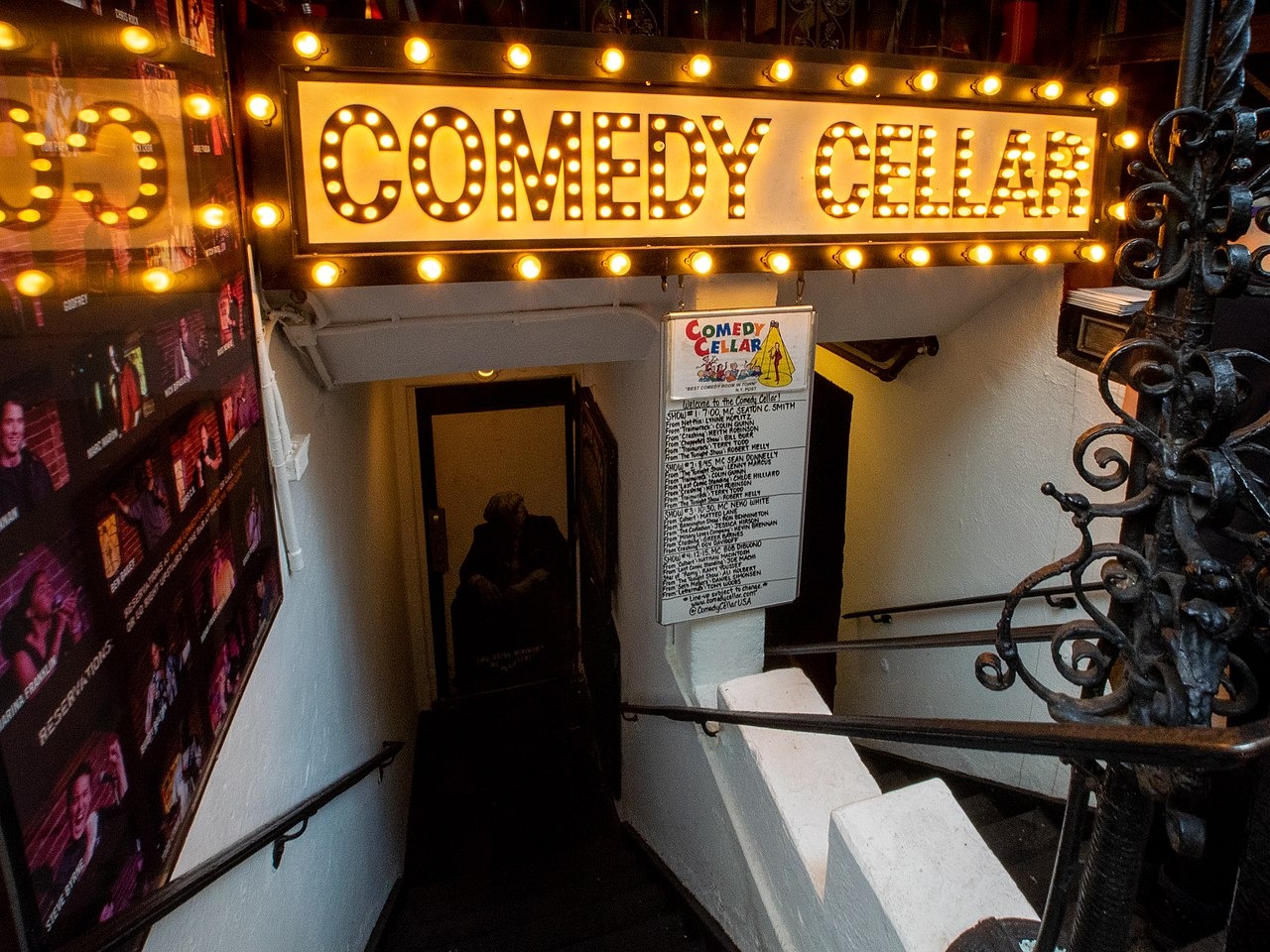
He is also the founder of NYC’s Comedy Cellar, where he was a former standup comedian himself and showcased then unknown comedians such as Jon Stewart, Bill Maher, Rita Rudner, Ray Romano, Louis CK and Dave Atell. Established stars such as Robin Williams and Jerry Seinfeld would "drop in" unannounced to perform. Bill now speaks frequently at Eric Reis's "Lean Start Up" Conference and "Funny Bizz" conferences where he helps attendees create content during his address.
In this candid conversation, Bill shared the real stories behind his foundational formula for effective commercial storytelling, the critical difference between humor and comedy in business, and the creation of the iconic Comedy Cellar.
1. The Formula for Commercial Storytelling. Bill explained that business storytelling is a "commercial art" designed to make an audience take a specific action, rather than a "fine art" meant simply to express a muse. Because data only appeals to the intellect, a good story is crucial because it appeals to human emotions, bypassing logic to prompt a decision that the brain will only later rationalize. He revealed that the universal structure of every good story—from Adam and Eve to a 12-second shampoo commercial—simply comes down to establishing what a hero wants, what stops them, and showing their initial failure before they ultimately find success with your specific solution.
2. Humor Over Comedy. Despite being an Emmy-nominated comedy writer, Bill strongly advises business leaders and "mere mortals" never to attempt actual comedy in the workplace. He warned that trying to get a laugh is a "high-wire act" with no net, and a misplaced, tone-deaf joke can easily ruin a career. Instead, he recommends utilizing gentle "humor"—such as showing vulnerability, employing light self-effacement, or simply walking to a microphone with a warm smile—which safely makes audiences feel welcome and puts a smile on their faces without risking offense.
3. The Radical Kindness of the Comedy Cellar. When founding the legendary Comedy Cellar in New York over 40 years ago, Bill knew he couldn't financially compete with established clubs. Instead, he built the business entirely on a culture of "radical kindness," treating comedians with immense respect rather than acting like he was doing them a favor by simply providing stage time. This unique hospitality and respect naturally extended to the audience; Bill famously used to stand outside after every show to shake attendees' hands, actively asking them to rate the performance so he could figure out what was an "eight" and immediately find ways to improve the experience.
4. The Family Mood Elevator. Bill attributed his lifelong operating system of positivity to his family background as a first-generation American. Because his parents had survived unimaginable horrors—meeting in a refugee camp after World War II—they were understandably not "party people". Consequently, it naturally fell upon Bill to be the "mood elevator" for the family, a coping mechanism and attitude that ultimately shaped both his personal life and his highly successful career in entertainment.
